

Children experience the world with open curiosity. They notice small details, imagine stories behind everyday things, and turn ordinary moments into play. This is where whimsical art fits so naturally into their lives. It speaks the same language children use every day, one made of imagination, color, and wonder. Instead of telling kids what to think, it invites them to explore ideas on their own terms.
Unlike serious or realistic styles, playful artwork gives children permission to imagine freely. It feels approachable and warm, which is why it often becomes part of spaces where kids learn, play, and grow.

At its heart, whimsical art is lighthearted and expressive. It often includes bold colors, imaginative characters, and scenes that don’t follow strict rules. Animals might wear clothes, houses may lean at odd angles, and skies can be pink or green. For children, this feels natural rather than strange.
This type of art does not demand interpretation. Kids do not worry about meaning or correctness. They simply respond to what they see. That response is often curiosity, laughter, or a desire to create something of their own.
Children build creativity by observing and responding. When they see artwork that feels open and playful, their minds begin to wander. They imagine stories behind characters or think about what might happen next. This kind of thinking is essential for creative development.
In creative kids spaces, art like this works as a quiet invitation. It encourages children to look longer, ask questions, and imagine possibilities. Over time, this helps kids develop original thinking rather than copying what already exists.
Art can help children express feelings they may not yet have words for. Gentle colors, playful shapes, and friendly characters can create a sense of safety. When children feel comfortable, they are more open to exploring emotions like excitement, curiosity, or even fear.
This is why art for children often benefits from softness and humor. It does not overwhelm or instruct. It simply sits with the child and allows space for personal interpretation.
Many children stop creating when they feel judged or corrected too often. Playful art styles remove that pressure. There is no right or wrong way to respond to a flying elephant or a floating house.
When children are surrounded by visuals that feel forgiving, they become more confident in their own ideas. They try new things without worrying about mistakes. Over time, this builds a healthy relationship with creativity.

Images often spark conversation. A child might describe what they see, invent names for characters, or build stories around a single image. These moments strengthen communication skills in a natural way.
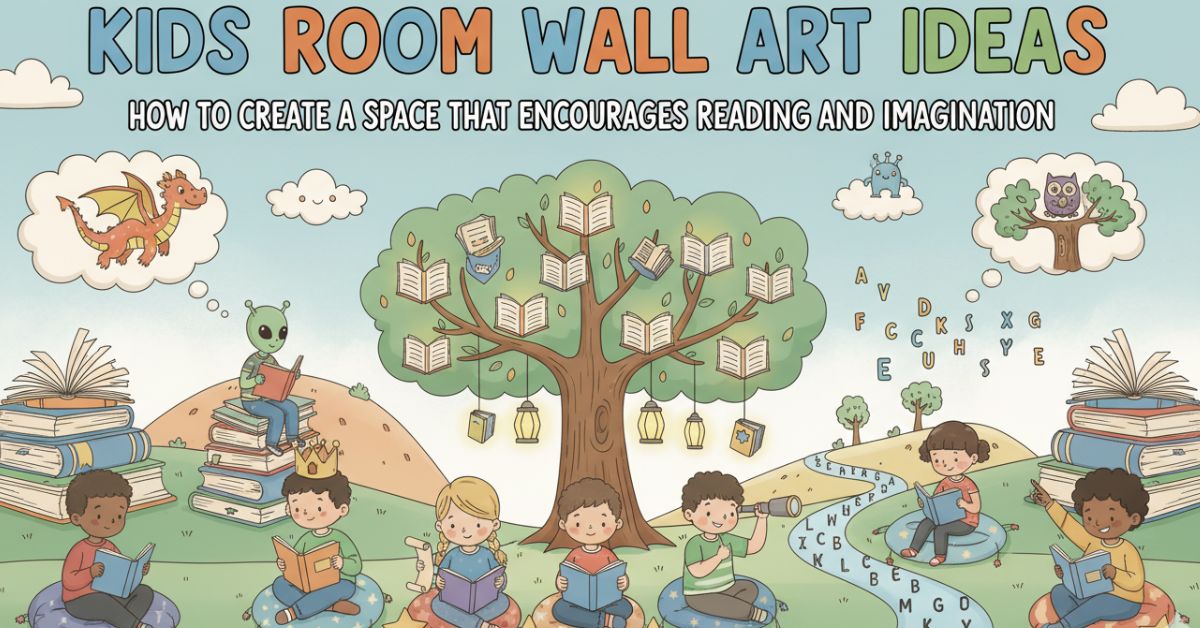
In reading corners or creative kids spaces, art that feels imaginative often becomes part of daily storytelling. Children return to the same images and notice new details each time, which keeps their curiosity alive.
Children learn best when they are curious and interested. Playful art naturally grabs their attention because it is colorful, imaginative, and fun. Unlike serious or overly structured visuals, it encourages kids to explore, ask questions, and think about what they see, turning learning into a joyful experience rather than a task.
When children interact with playful art, they often create their own stories, notice small details, and make connections in unique ways. This type of engagement strengthens thinking skills, sparks imagination, and even helps with understanding emotions. For example, a whimsical scene of animals playing can inspire conversations about sharing, friendship, and problem-solving.
This approach works well at home, in classrooms, or in creative kids spaces. Art for children that feels friendly and approachable helps bring out reading skills, emotional awareness, and creative thinking. By setting up kids with visuals that draw them into exploration, learning turns into something meaningful, enjoyable, and exciting that they look forward to every day.
As children grow, their interests change, but imaginative visuals still hold on to their meaning. The key is choosing artwork that leaves room for interpretation instead of laying down a fixed meaning.
Parents and educators often look for pieces that stand out as timeless and flexible. A thoughtfully chosen whimsical art collection can grow along with a child, keeping up with their changing interests and staying relevant through different stages of development.
Art does not need to be limited to galleries or classrooms. When thoughtfully placed at home, in playrooms, or in schools, it shapes how children experience their environment.
In creative kids spaces, imaginative visuals help set a tone of openness and comfort. Children feel more at ease when their surroundings reflect creativity rather than strict order. This balance supports both play and focus.
Adults often feel pressure to guide creativity, but children benefit most from freedom. Letting kids respond naturally to what they see builds trust in their own ideas.
Providing art for children that feels playful rather than perfect helps keep creativity alive. It reminds children that imagination is something to enjoy, not something to measure.
Art as a Quiet Companion
Not all creativity needs instruction. Sometimes art simply needs to be part of a child’s world. A picture on the wall, a print near a reading nook, or artwork placed at eye level can quietly bring out curiosity and shape up how children think and feel.
A well-chosen children art collection can fit into daily life rather than being used as a teaching tool. It blends in with routines while still calling on a child’s imagination when they are ready to engage.
Creativity does not begin with instruction. It begins with curiosity. Whimsical art supports that curiosity by offering visuals that feel open, warm, and full of possibility. It encourages imagination without pressure and expression without rules.
When children grow up surrounded by thoughtful visuals, creativity becomes part of how they see the world. Whether displayed in bedrooms, classrooms, or creative kids spaces, imaginative art plays a quiet but powerful role in shaping confident, curious minds.
If you are looking for stories and art made for children and families, Storybook Studio brings imagination and togetherness into everyday moments.
FAQs
What makes whimsical art appealing to children?
It feels playful and open. Children connect with art that allows imagination instead of telling them exactly what to think or feel.
Is whimsical art suitable for all age groups?
Yes. Younger kids take in the bright colors and playful characters, while older children pick up on the stories and finer details as they spend more time with the artwork.
How does whimsical art support creativity?
It encourages children to imagine, ask questions, and create their own stories without worrying about rules or mistakes.