

Children do not just learn from what we teach. They learn from what they feel, see, and experience every day. Stories play a powerful role in shaping these experiences. A simple story about sharing, honesty, or helping others can influence how a child understands emotions and behaves in real life.
This is why emotional learning books are so important during early childhood. They help children understand their feelings, respond to situations calmly, and build positive connections with others. Through stories, children begin to see the value of kindness, fairness, and empathy in ways that feel natural and meaningful.
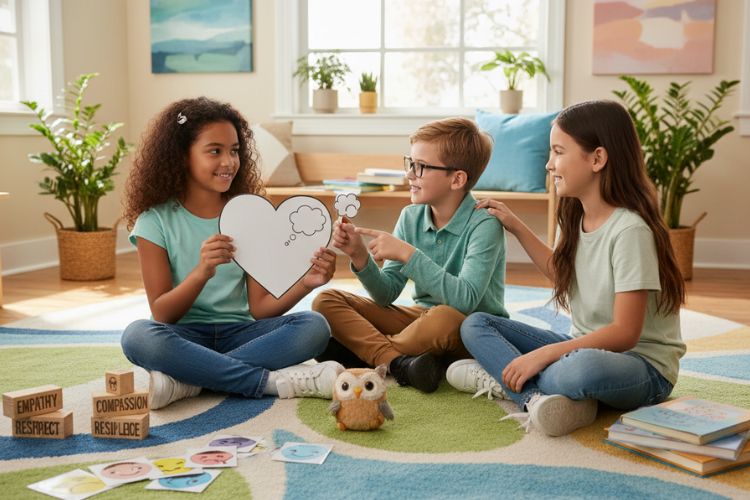
Social Emotional Learning, also known as SEL, focuses on helping children understand their emotions and relationships. It teaches children how to recognize feelings, control their reactions, and interact with others in a healthy way. These skills support both personal growth and social development from an early stage.
Through SEL, children learn how to understand their own emotions, manage difficult feelings, and communicate clearly with others. They also begin to make thoughtful decisions and develop respect for people around them. These skills are essential not just in school but in everyday life as well.
Stories connect with children in a simple and engaging way. When children see characters facing challenges or learning lessons, they naturally relate to them. This connection helps children understand emotions more easily and encourages them to think about their own actions and reactions in similar situations.
Instead of being directly taught what is right or wrong, children experience these lessons through storytelling. Stories present real-life situations in a safe and understandable way. If you plan to buy storybook for kids, choosing stories with emotional learning themes can make reading both enjoyable and meaningful.
Stories quietly help children understand how their actions can impact others. Through simple and familiar situations, they introduce important values like kindness, honesty, and empathy. As children listen and relate to these moments, they begin to develop a better sense of how to treat people in their everyday lives.
Kindness often appears in small, thoughtful actions such as sharing, helping, or using gentle words. Stories that highlight these moments make it easier for children to see how little effort can make someone feel better. Reading books about kindness for kids regularly helps children adopt these behaviors naturally.
Including more books about kindness for kids in your child’s reading routine can reinforce these lessons over time. These stories help children develop caring habits and encourage them to treat others with respect. Over time, these small lessons build a strong foundation for positive behavior and emotional understanding.
Fairness teaches children the importance of honesty, respect, and taking turns. Stories often show situations where characters must choose between right and wrong. These examples help children understand the impact of their choices and develop a sense of responsibility for their actions.
Reading books about honesty for kids helps children learn why telling the truth is important. Adding books about honesty for kids to your reading routine can support this learning in a clear and simple way. These stories make it easier for children to understand fairness and apply it in real life.
Empathy helps children understand how others feel in different situations. Stories allow children to step into someone else’s perspective and experience emotions through characters. This helps them recognize feelings like happiness, sadness, and frustration in a more meaningful and relatable way.
As children read more stories, they begin to notice emotions in people around them. This awareness helps them respond with care and understanding. Over time, empathy becomes a natural part of their behavior, helping them build stronger relationships and communicate more thoughtfully with others.
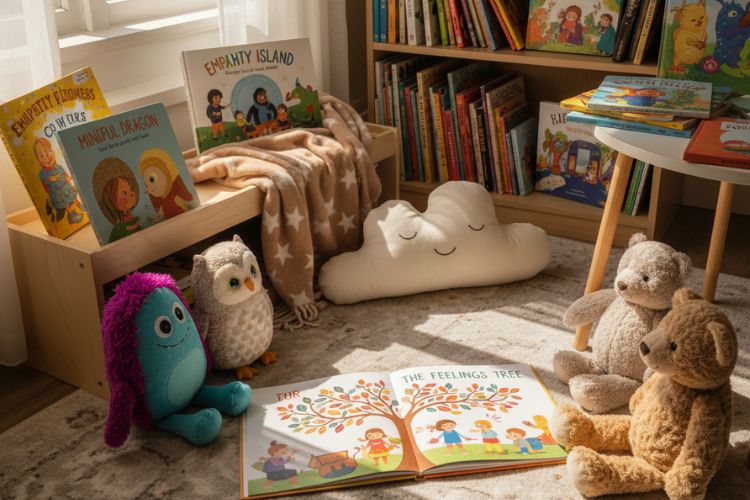
Building a thoughtful books collection can support your child’s emotional growth in a meaningful way. Choosing the right stories helps children learn important values while enjoying the reading experience. These books create opportunities for discussion and help children understand emotions in a simple and engaging manner.
Stories in this group show simple acts like offering help, sharing, or speaking gently. These situations help children see how small efforts can make others feel valued. As they connect with these moments, they begin to adopt more thoughtful habits in their daily interactions.
These stories gently introduce ideas like telling the truth, waiting for their turn, and showing respect to others. As children follow what happens in each situation, they begin to see how choices lead to different results. This helps them take responsibility and make thoughtful decisions in their own everyday experiences.
These narratives expose children to a range of feelings and viewpoints. By following characters through different experiences, they begin to understand emotional responses more clearly. This helps them react with sensitivity and become more aware of how their words and actions affect those around them.
Choosing the right books is important for effective emotional learning. Books should match your child’s age and understanding level so they can relate to the story easily. Simple language and clear messages help children understand emotional concepts without feeling confused or overwhelmed.
Good emotional learning books should include relatable characters and real-life situations. Positive and practical messages make it easier for children to apply what they learn. Selecting the right books ensures that reading becomes both enjoyable and meaningful for your child.
Reading alone is not enough. Children need support to apply what they learn from stories in real situations. Parents can guide this process by asking simple questions, discussing characters’ feelings, and connecting story events to everyday experiences.
Encouraging children to express their emotions openly also helps reinforce these lessons. Practicing small acts of kindness and honesty in daily life makes these values stronger. Over time, children begin to naturally use what they learn from stories in their behavior.
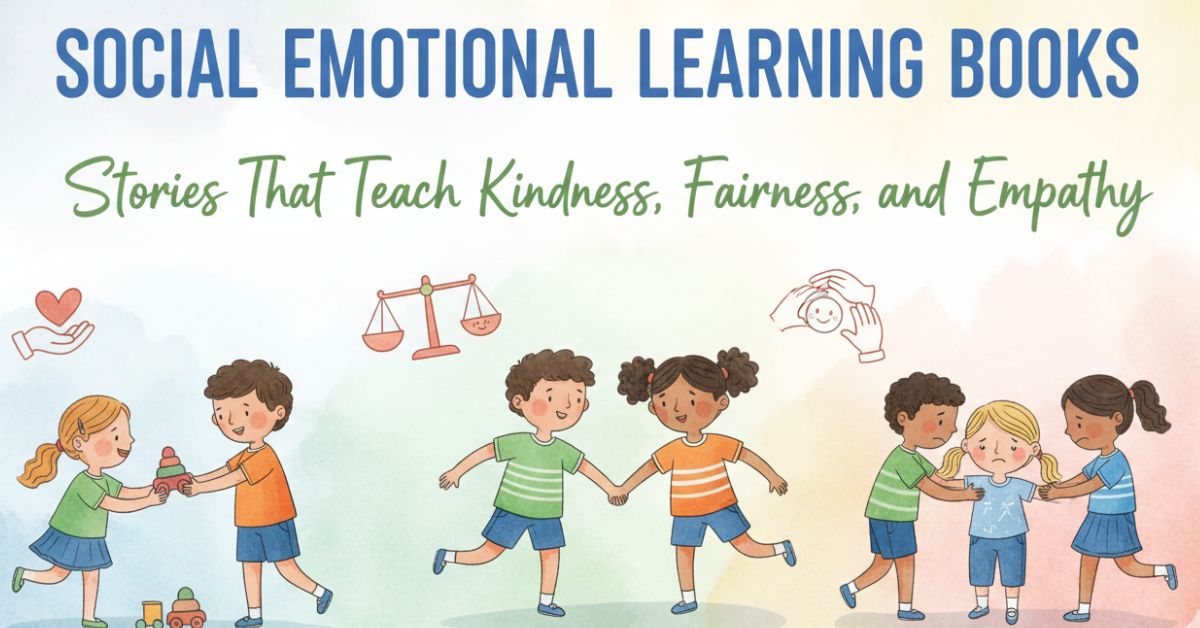
Teaching kindness, fairness, and empathy can begin with simple stories. These lessons do not require strict teaching methods. Instead, they grow naturally when children are exposed to meaningful stories that reflect real-life situations and emotions in a relatable way.
The right emotional learning books help children build strong emotional and social skills. Making reading a daily habit can support your child’s development in a lasting way. Over time, these small lessons shape how children think, feel, and interact with others.
What if storytime could do more than entertain and actually shape how your child thinks and feels? Storybook Studio brings together imaginative storytelling and thoughtful artwork to create meaningful experiences for families. Each story encourages kindness, fairness, and empathy, helping children learn important values in a way that feels natural, engaging, and truly memorable.
What are emotional learning books for kids?
Emotional learning books help children understand feelings, behavior, and relationships. They teach values like kindness, honesty, and empathy through simple and relatable stories.
At what age should children start reading SEL books?
Children can start from age three with simple picture books. As they grow, they can understand more detailed stories about emotions and relationships.
How do these books help improve a child’s behavior?
These books show real-life situations through stories. Children learn from characters’ actions and begin to apply those lessons in their own behavior.
How can parents use emotional learning books effectively?
Parents can ask questions, discuss the story, and connect it to daily life. This helps children understand and apply emotional lessons more easily.