

Early childhood is a time when children learn the fastest. Their minds are open, curious, and ready to explore the world around them. One of the simplest and most effective ways to support their growth is through illustrated storybooks. These books combine words with pictures, helping children understand ideas in a way that feels fun and natural.
Reading stories at a young age is not only about learning letters or words. It helps children develop emotionally, socially, and mentally. When parents make reading part of daily life, it creates a strong foundation for lifelong learning and curiosity.

Illustrated storybooks are books that use pictures to support and explain the story. The illustrations help children understand what is happening even before they can read on their own. These books are especially helpful for toddlers and preschoolers who rely heavily on visuals.
Pictures guide children through the story and keep them interested. They help children connect words with meanings and actions. This makes reading less confusing and more enjoyable during the early years.
Young children learn best when they can see and hear information at the same time. This is where visual learning becomes important. When children look at pictures while listening to a story, their brains make stronger connections.
The images help children remember details, recognize patterns, and understand the order of events. Over time, this improves memory and attention span. Stories with clear pictures also help children learn problem-solving skills in a gentle and engaging way.
One of the biggest advantages of illustrated storybooks is how they support language development. Children are introduced to new words in a meaningful context. When they see a picture along with a word, they are more likely to understand and remember it.
This process supports visual learning by helping children match words with images and actions. As a result, children begin to form sentences, recognize sounds, and improve their speaking skills naturally. Listening to stories also helps children understand how language flows in everyday conversation.
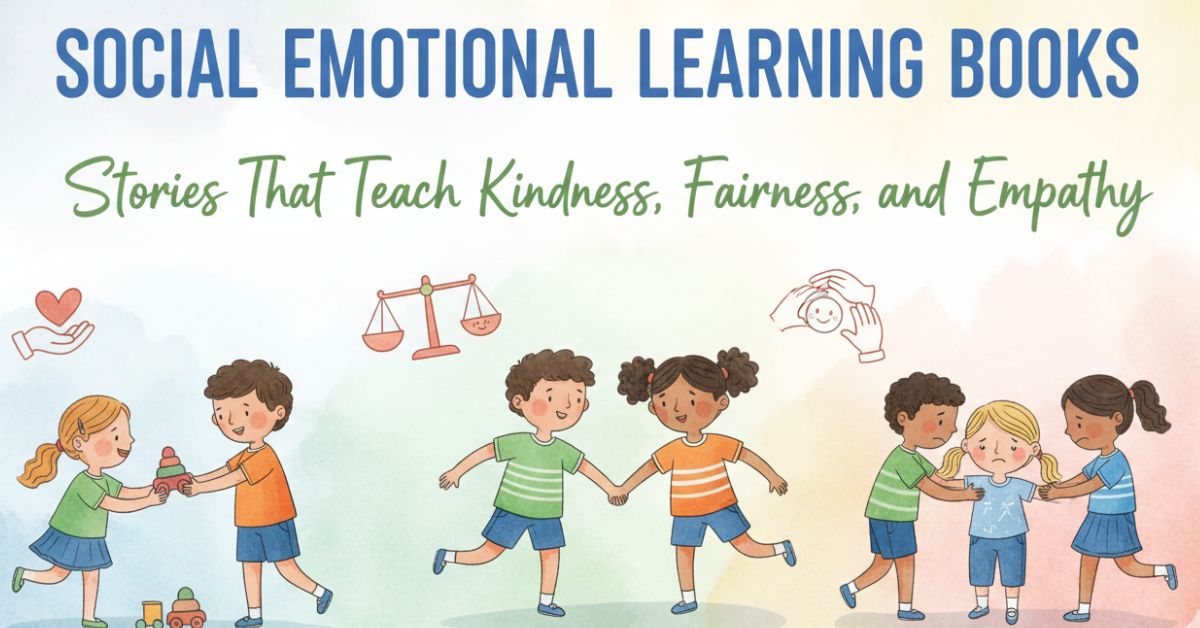
Stories play an important role in teaching children about feelings and relationships. Characters in books experience emotions that children can relate to, such as happiness, fear, or excitement. Illustrated storybooks help children recognize these emotions through facial expressions and actions shown in pictures.
This helps children develop empathy and understand how others may feel. Stories also introduce important values such as kindness, sharing, and honesty. These lessons feel natural and easy for children to absorb through storytelling.
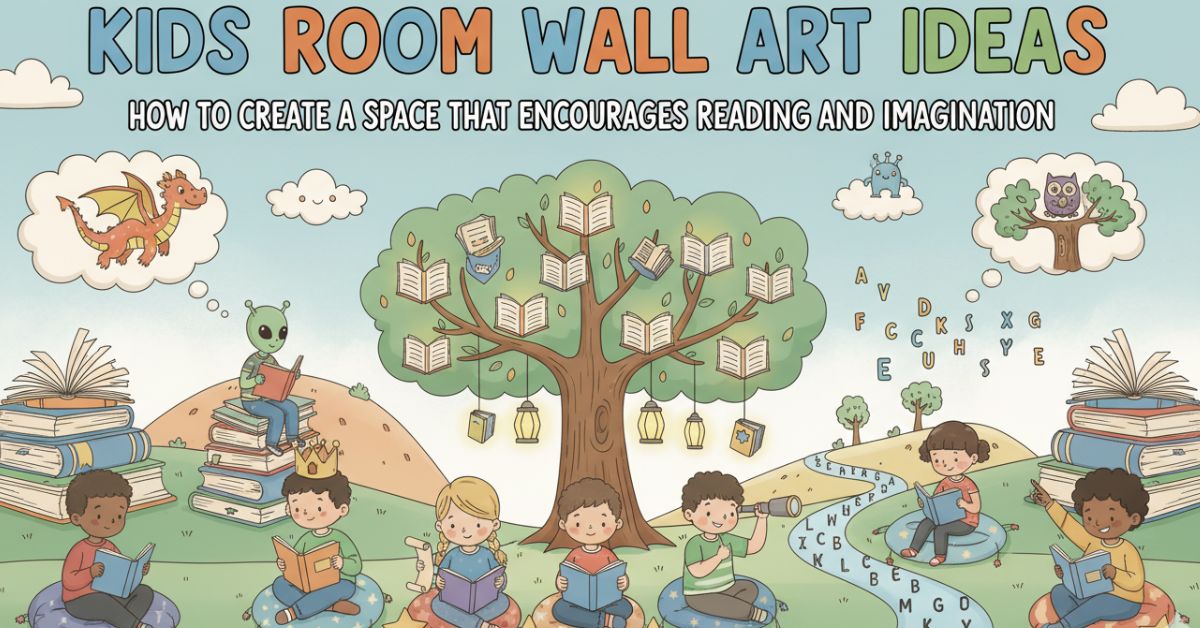
Pictures spark imagination in a powerful way. Children often create their own ideas while looking at illustrations. Illustrated storybooks encourage children to think creatively and imagine new situations, characters, and endings.
This creative thinking supports mental growth and self-expression. Children may retell stories in their own words or create new stories inspired by the pictures. This is another way visual learning supports early development.

Creating a regular reading routine becomes easier when parents have access to quality books, and many families choose to shop children storybooks that support bonding, learning, and joyful reading moments.
These moments build trust and emotional security. Children also learn that books are a source of joy and attention. This positive experience often encourages children to enjoy reading as they grow older.
Listening to stories helps children learn how to pay attention. Sitting through a short story teaches patience and focus. When adults are reading to kids, children learn to listen carefully and follow the story from beginning to end.
Pictures help children stay engaged and understand what they hear. This combination strengthens listening skills and prepares children for learning environments such as school classrooms.
Early reading experiences help children feel more confident when they start school. Stories introduce basic ideas such as numbers, colors, routines, and problem-solving. Through visual learning, children understand these concepts faster because they can see them clearly.
Children who are familiar with books often find it easier to participate in classroom activities. They are more comfortable with learning and communication, which supports academic success.
Selecting the right books makes a big difference. Look for illustrated storybooks with clear pictures, simple language, and age-appropriate topics. Books should be engaging and positive.
Parents who want to expand their collection can explore options that include children’s storybooks designed for early learning. You can also find engaging children picture books that match your child’s interests and encourage a love for reading.
Storytime does not need to be long to be effective. Even a few minutes each day can create strong habits. Ask children questions about the pictures and encourage them to talk about what they see.
This interactive approach strengthens visual learning and keeps children involved. Most importantly, it makes reading feel enjoyable rather than forced.
The habit of reading to kids at an early age has long-term benefits. Children who grow up with books often develop stronger communication skills and confidence in learning.
By introducing illustrated storybooks early and making reading a regular part of daily life, parents help children grow into curious and thoughtful learners. Simple stories and shared reading moments can leave a lasting impact that shapes a child’s future in a positive way.
If you are looking for a place that celebrates childhood wonder, Storybook Studio offers a world filled with charming children’s books and beautifully handcrafted artwork inspired by young, creative minds. Discover new stories, explore creative pieces for learning spaces, and step into a world where imagination has no limits and joy is thoughtfully created. Let’s tell beautiful stories together.
At what age should children start reading illustrated storybooks?
Children can be introduced to illustrated storybooks as early as infancy. Even babies benefit from looking at pictures while listening to a familiar voice. As children grow, these books help build language, attention, and curiosity.
How often should parents read storybooks to their children?
Reading every day is ideal, even if it is only for a short time. A few minutes of reading helps children feel connected and builds a strong habit that supports learning and emotional growth.
Are illustrated storybooks better than digital content for young children?
Illustrated storybooks offer a calmer and more interactive experience than screens. They encourage focus, imagination, and meaningful interaction between parents and children without distractions.