

Choosing the right storybooks for children is a key step in encouraging curiosity, imagination, and a lifelong love for reading. The best storybooks for children not only entertain but also teach valuable lessons and inspire creativity. From nighttime tales to picture books for kids, the options are endless. Knowing how to pick the right stories ensures your child enjoys both fun and learning with every page.
Storybooks are more than just a pastime. They play an important role in a child’s emotional and intellectual growth. Through stories, children explore feelings, learn problem-solving, and understand social situations in a way that feels safe and relatable. Reading together also strengthens the bond between parent and child while encouraging meaningful conversations.
Educational storybooks combine learning with imagination. They introduce concepts like numbers, letters, science, and history while keeping the story enjoyable. Meanwhile, moral storybooks teach values like honesty, kindness, and teamwork, helping children internalize important lessons naturally.

One of the first steps in selecting the best storybooks for children is understanding your child’s age and reading ability. Younger children often enjoy picture books for kids, which use vibrant illustrations to support the text and help children connect ideas while building vocabulary.
For kids aged 3 to 5, books with simple sentences, repetition, and bright images make reading fun and interactive. A question like, “What do you think will happen next?” encourages children to engage with the story and use their imagination.
Children aged 6 to 10 are ready for longer stories with richer language and more detailed plots. Books at this stage can delve into feelings, social challenges, and problem-solving, helping kids understand others’ perspectives and think critically. By selecting stories that suit your child’s age and abilities, reading becomes both fun and meaningful.

Every child has their own passions, and their books should reflect that. Some kids are drawn to animals, while others get hooked on space adventures or fairy tales. Choosing storybooks that line up with these interests keeps children excited and engaged in reading.
For instance, a child curious about wildlife might really get into educational storybooks about animals, while one fascinated by the stars may dive into picture books for kids that explore planets and galaxies. By tuning into your child’s preferences and picking books that match, reading becomes more of a fun adventure than something they have to get through.
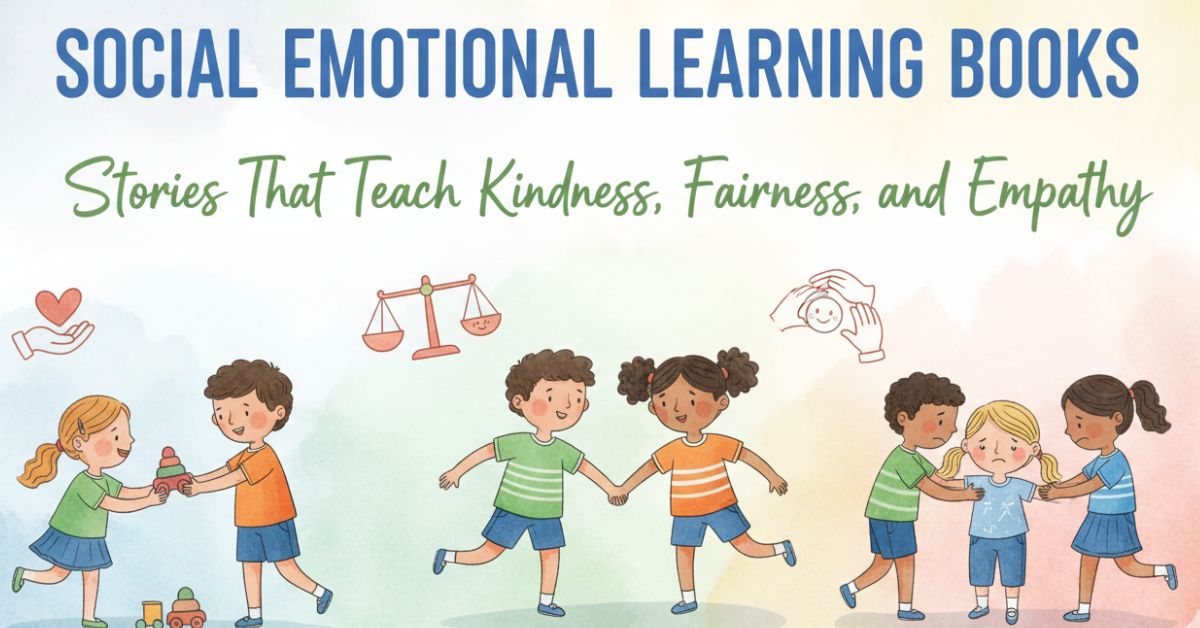
Stories with life lessons are a great way to guide children in understanding important concepts like honesty, fairness, empathy, and teamwork. These books allow children to see the results of decisions in situations they can relate to, making lessons easier to remember.
Educational storybooks often mix learning with moral guidance. For instance, a story about a young gardener could teach responsibility, patience, and biology all at once. Blending lessons with learning gives children a holistic experience, making each book both fun and meaningful.
Books that encourage interaction make reading more memorable. Lift-the-flap books, sound books, and stories with questions at the end allow children to actively participate in the story.
Picture books for kids with interactive elements spark creativity. Children might imagine alternate endings, draw their own illustrations, or act out parts of the story. This hands-on approach improves comprehension and problem-solving while keeping reading playful and engaging.

When choosing storybooks for children, pay attention to both the writing and the illustrations. A strong story grabs attention with relatable characters, interesting situations, and clear, age-appropriate language. Illustrations should support the story, helping children picture events and understand new or abstract ideas.
Educational storybooks often include diagrams, charts, or visual aids to explain concepts in a simple and fun way. Picture books for kids rely on expressive drawings and bright colors to convey emotions, set scenes, and bring the story to life. When words and illustrations work together, reading becomes an immersive and enjoyable experience.
Books that introduce children to different cultures, family setups, and life experiences help them build empathy and see the world from new perspectives. Stories with characters from varied backgrounds teach kids to be accepting, open-minded, and understanding of others.
Look for storybooks that celebrate diversity. Whether it’s a tale about a child from another country, a unique family tradition, or characters with different abilities, these books expand a child’s worldview and encourage respect for others.
Evening reading is a great time to get children into the habit of enjoying books. Bedtime stories help them wind down, settle into a calming routine, and connect reading with quiet family moments.
Pick gentle stories that flow easily and have reassuring endings. They can teach simple lessons or just bring out giggles and spark creativity. By settling down with a story every night, children naturally take to reading and build a love for books that sticks with them for years to come.
The best storybooks for children mix having fun with picking up new skills. Engaging stories pull them in, while books that introduce new words, get them thinking, or explore real-life situations add even more value.
Educational storybooks really bring this to life. They weave in facts, pose challenges, or bring up interesting ideas within the story, so learning comes across as natural and enjoyable. Kids take in new knowledge, build a deeper understanding, and work out problems in their minds while turning every page with excitement.
You can find books at libraries, local bookstores, or online. Many online stores offer curated selections that let you filter by age, interest, or type of story. Storybook Studio, for example, offers a wide range of storybooks for kids and educational storybooks that make learning both fun and imaginative.
The best storybooks for children are those that entertain, educate, and inspire. Every book, from picture books for kids to fictional and educational storybooks, can shape a child’s mind, teach values, and spark creativity. By selecting stories that fit your child’s age, interests, and learning needs, reading can become an enjoyable and meaningful part of everyday life.
If you want storybooks that teach, entertain, and spark imagination, check out Storybook Studio. You’ll find picture books for kids, evening tales, and educational storybooks that make reading enjoyable and unforgettable. Begin your child’s reading adventure today.