

Children’s books are much more than colorful pages and fun illustrations. They are windows into life lessons that shape a child’s character. From understanding emotions to learning about kindness and responsibility, these stories provide gentle guidance that helps young readers navigate the world around them. Reading for kids not only entertains but also nurtures their minds and hearts, making it an essential part of childhood development.

Stories have always been a powerful tool for teaching. When children engage with books for kids, they absorb more than just words; they learn how to think, imagine, and understand people and situations. Through storytelling, children can explore feelings, friendships, and ways to solve problems in a safe and relatable way. Regular reading for kids helps improve focus, understanding, and empathy, laying the foundation for learning and personal growth that lasts a lifetime.
Children’s books often present big ideas, like fairness or courage, in ways that are easy for kids to understand. Through the adventures of characters, children learn how to face challenges, make decisions, and celebrate small victories. These stories help build critical thinking skills and teach important lessons about interacting with others and understanding the world around them.
One of the most valuable aspects of children’s books is their ability to teach ethics subtly and memorably.
Books for kids often feature characters who face situations where honesty matters. Seeing the outcomes of truthful versus dishonest actions helps children understand the importance of integrity.
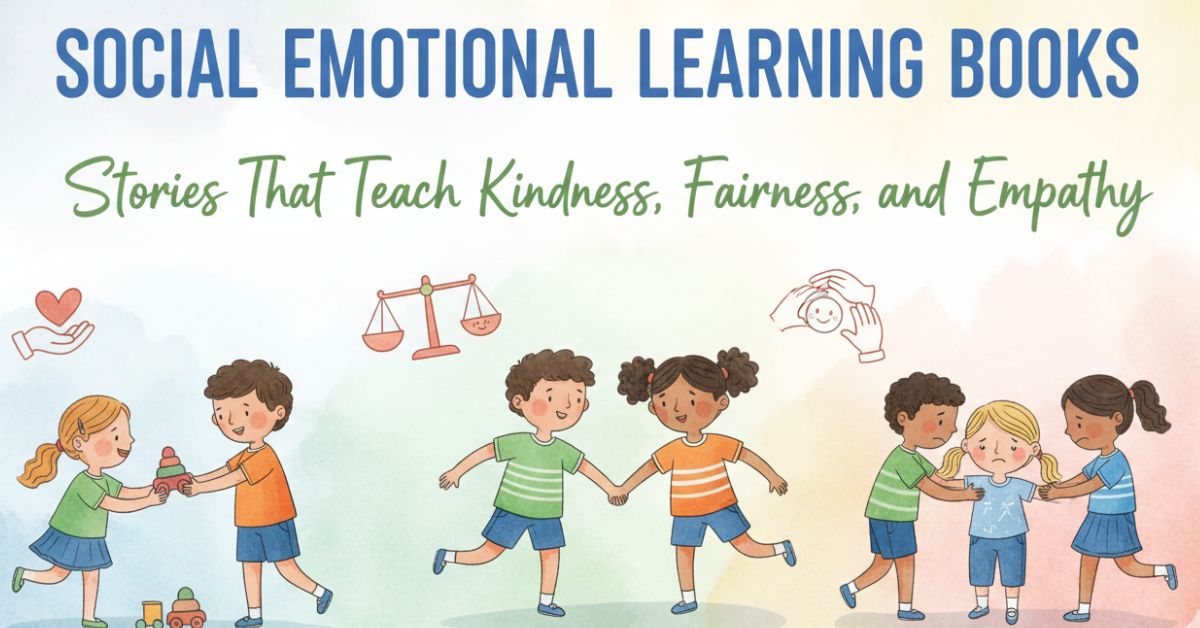
Moral stories for children show the power of empathy and helping others. When children read about characters who support friends or strangers in need, they internalize the value of compassion in their own lives.
Many storybooks present characters facing fears, challenges, or unexpected obstacles. Seeing these characters push through difficulties helps children understand the value of bravery and persistence. These stories gently show that trying again, staying determined, and not giving up are important lessons that can guide them through real-life challenges.
Stories often show how much can be achieved when people come together and support each other. When characters lend a hand to friends or work side by side to solve problems, children pick up the value of teamwork, thoughtfulness, and generosity. These stories help young readers understand that meaningful relationships grow when we cooperate, pay attention to others, and help one another succeed.

Understanding one’s own emotions is a skill that grows with practice. Children’s books often depict characters experiencing joy, sadness, frustration, or excitement, giving young readers an opportunity to recognize these feelings within themselves.
Reading for kids helps them recognize their feelings, talk about them, and discover healthy ways to handle emotions. For example, when a story shows a character handling a disagreement with a friend, children can learn how to approach problems calmly and control their emotions. Reading like this also helps develop empathy, as kids begin to understand how others feel and how to respond kindly in similar situations.
Books for kids aren’t just about personal growth. Also, they open doors to diverse perspectives. Stories featuring characters from different cultures, traditions, and family structures help children appreciate diversity and inclusivity.
By encountering new ways of life through reading for kids, children learn to respect differences and develop a broader worldview. Stories highlighting multicultural experiences teach acceptance and tolerance, fostering an environment of understanding from an early age.
Children’s books often place characters in dilemmas or challenging situations. Whether it’s finding a lost pet, solving a mystery, or navigating friendship conflicts, kids learn the value of reasoning and decision-making.
Through books for kids, young readers explore consequences and weigh choices without real-world risk. This safe space encourages curiosity, experimentation, and creativity, all essential for developing strong problem-solving skills.
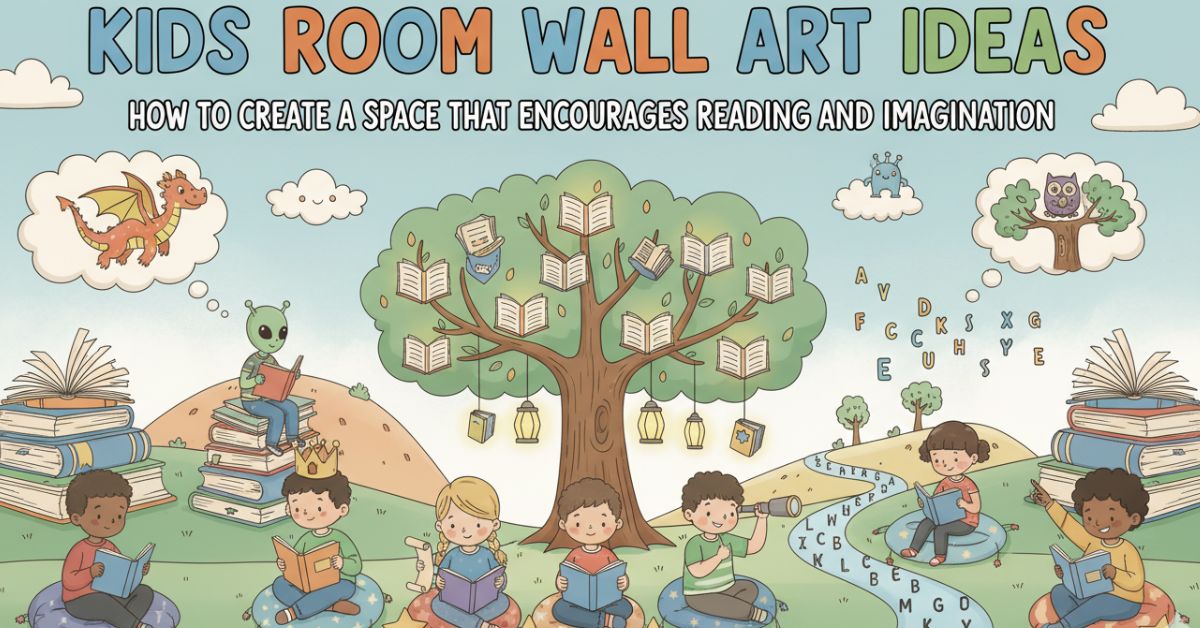
One of the most delightful benefits of children’s books is the way they spark imagination. From fantastical worlds to talking animals and magical adventures, kids storybook encourage creative thinking.
When children imagine themselves in different scenarios, they learn to visualize possibilities and think innovatively. These experiences often translate into real-life problem-solving, inventive ideas, and a love for exploration.

Not all lessons need to be grand or fantastical. Many children’s books focus on daily life, school experiences, sibling relationships, or first-time challenges. These stories provide relatable situations where children can see the practical applications of values like responsibility, patience, and respect.
By reflecting on these scenarios, children learn how to interact positively with peers, handle minor disappointments, and build healthy habits, all of which contribute to their overall personal growth.
Reading together with children is more than just going through a story. It is an opportunity to explore ideas, ask questions, and help kids understand the lessons behind the story. Parents, teachers, and caregivers play an important role in guiding children to see how the experiences of characters relate to their own lives.
For instance, after reading a story about sharing or teamwork, talking about why a character made certain choices helps children absorb the message and apply it themselves. Making reading for kids a shared activity also builds stronger connections, creates happy memories, and turns every story into an engaging and meaningful learning experience.
Children’s books have a unique way of shaping young minds. They teach valuable life lessons through fun stories, memorable characters, and imaginative worlds. These books help children understand emotions, develop empathy, and build problem-solving and creative thinking skills that last well beyond childhood.
Picking the right children’s books is more than just a reading habit. It is a way to guide a child’s growth, instill strong values, and help them make sense of the world around them. Making reading for kids a part of daily life encourages a genuine love for stories, sparks curiosity, and nurtures lessons that children carry with them for years to come.
If you are looking for children’s books that entertain, teach values, and spark imagination, Storybook Studio is the perfect place. Find storybooks for kids and original artwork that make reading and learning fun.
Why are children books important for teaching life lessons?
Children’s books teach values, emotions, and problem-solving through fun and relatable stories that kids can understand and remember.
Can reading for kids improve emotional intelligence?
Yes, by connecting with characters’ feelings, children learn empathy, self-awareness, and ways to handle their own emotions.
How do moral stories for kids help in real life?
These stories show examples of honesty, kindness, courage, and teamwork, helping kids apply these lessons in daily life.
Are books for kids useful for learning about different cultures?
Yes, stories about different traditions and lifestyles help children respect differences and understand others better.
How can parents make reading more effective for teaching lessons?
Parents can read together, ask questions, and discuss the story so children can think about characters’ choices and lessons.