

Some crafts require expensive supplies or years of practice before you can create something you feel proud of. Quilling is different. With a few strips of paper and a little patience, children and adults can create colorful designs that look far more detailed than the materials used to make them.
That’s one reason paper quilling art continues to attract beginners. It’s easy to learn, affordable, and flexible enough for different ages and skill levels. Whether a child wants to make flowers, animals, or decorations for their room, quilling offers a creative way to turn simple ideas into handmade artwork.
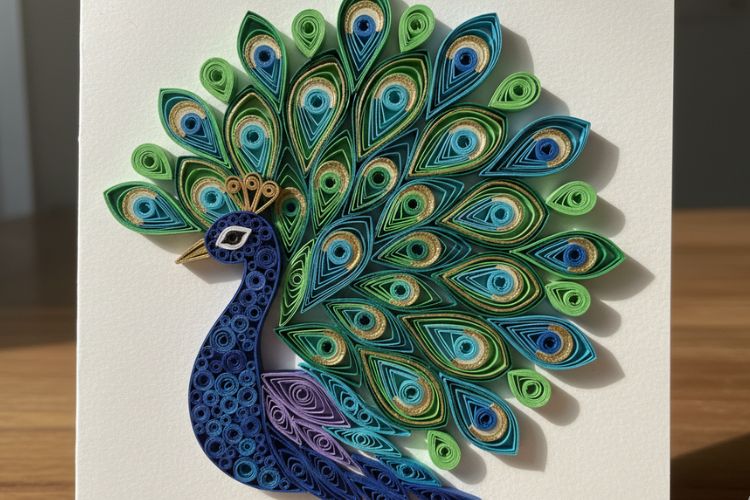
Paper quilling is a craft that has existed for many years but still ranks among the most beginner-friendly arts. This craft entails rolling, molding, and shaping strips of paper to make decorative shapes.
In simple terms, paper quilling is art that entails making images from molded paper shapes. The molded papers can be pinched, molded, and shaped differently before being glued into shape.
The craft begins with narrow strips of paper. These strips are rolled into coils using a quilling tool or even a simple toothpick. Once rolled, the coils can be shaped into circles, teardrops, leaves, hearts, and many other forms.
These individual elements are then used to form more complex patterns. For instance, one could create a flower using teardrop shapes, and an animal design using circles and coils. It is a simple technique, yet the outcome usually appears very intricate indeed. Most people who try out this form of art for the first time are usually quite amazed at the variety that can be achieved.
One reason paper quilling art remains popular is that it doesn’t require artistic experience. You don’t need to know how to draw or paint. Instead, you learn a few basic methods and build from there.
The materials are also inexpensive. This makes it easy for parents, teachers, and hobbyists to introduce the craft without a large investment.
There’s also a sense of satisfaction that comes from seeing a simple strip of paper become part of a finished design. Small successes help beginners stay motivated and continue learning.
Children often enjoy activities that allow them to create something with their own hands. Quilling gives them that opportunity while also encouraging patience and concentration. Unlike some crafts that follow strict instructions, quilling leaves room for personal ideas and creative choices.
A child can start with a simple flower and then decide to add extra petals, different colors, or even turn it into part of a larger picture. There is no single correct way to create a design.
This freedom allows children to experiment and express their ideas. Some enjoy making nature scenes while others prefer animals, shapes, or decorative patterns.
Parents who already encourage drawing, painting, and building a kids’ artwork collection often find that quilling becomes another enjoyable creative outlet.
Quilling involves small movements that help improve hand control and coordination. Rolling paper, applying glue, and placing shapes carefully all require attention and precision.
Children also learn patience. A project is completed one piece at a time, which encourages focus and persistence.
These skills develop naturally through the activity itself. Children are having fun, but they’re also practicing abilities that can support other creative and educational activities.
Starting out with quilling is easier than expected. It takes only a few materials to create a design, and it is also easy to learn basic techniques. With just some simple techniques known, kids can start designing things on their own.
The usual supplies are paper strips, glue, scissors, and a quilling tool. The starter kits often have all the necessary supplies that one needs to get started.
There are colored paper strips of different sizes, thus enabling kids to try out their hand at several designs. A small space well lit is sufficient for starting off. It also helps to keep supplies organized.
Learning a few paper quilling techniques opens the door to countless projects. Tight coils are often used for small decorative details, while loose coils create softer shapes.
Teardrops, marquise shapes, and curved forms are also common building blocks. Once children learn these basic shapes, they can combine them in many different ways.
The good news is that paper quilling techniques become easier with practice. Most beginners gain confidence after completing just a few small projects.
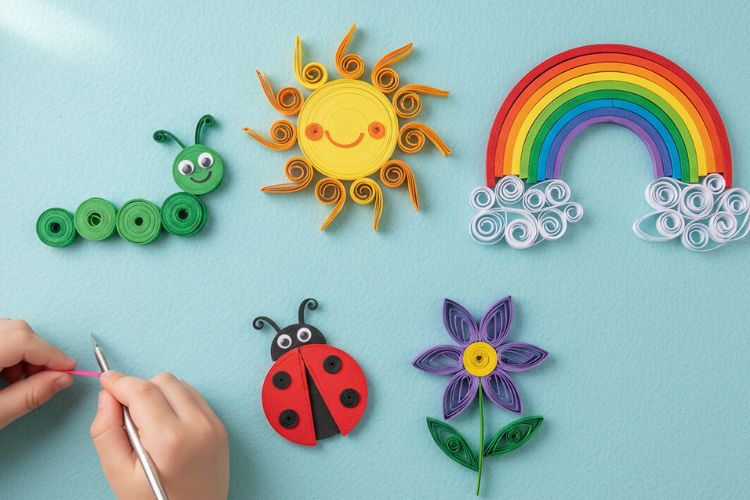
Simple projects help children enjoy the craft without feeling overwhelmed. Starting small allows them to practice new skills while creating something they can proudly display.
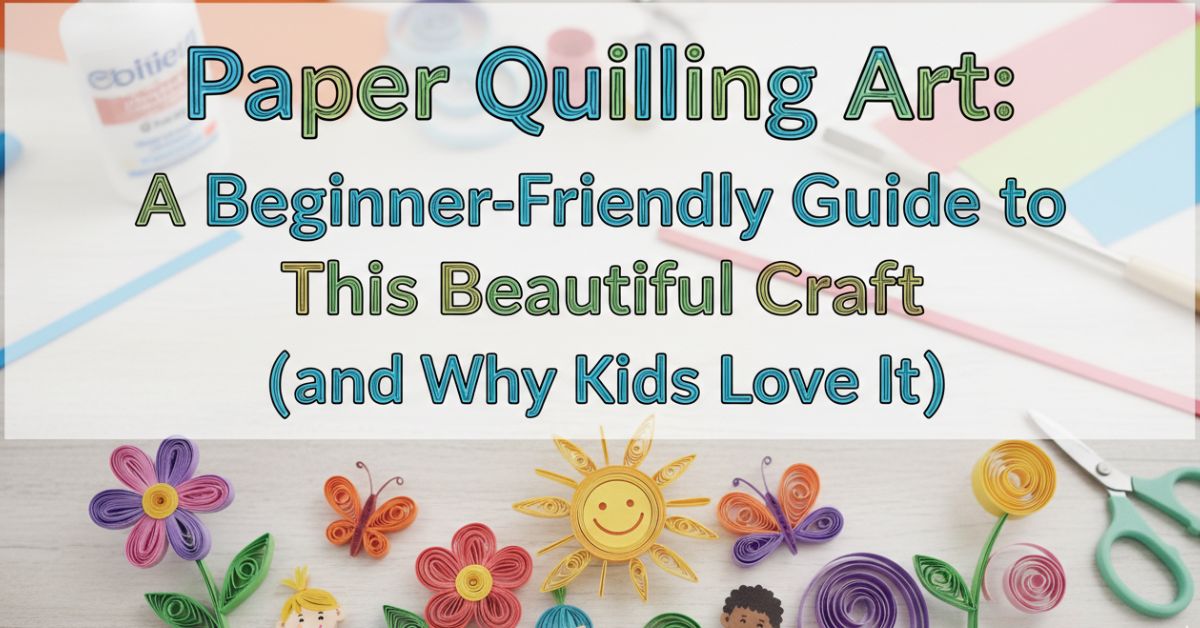
Making flowers is one of the initial tasks that many beginners attempt. The petals may be done using tear drop forms, whereas leaves are made with coils.
Some more ideas include butterflies, trees, and sunshine art patterns. They will be fun tasks since they involve making basic forms and exploring color combinations.
Making handmade cards is a fantastic project for beginners. Kids can make birthday, thank you, or holiday cards using quilling. The other task beginners can engage in is bookmark making. Bookmarks are not difficult projects, and they will keep kids busy while being creative with their craftwork. In addition, bookmarks could make for good gifts to give to family and friends.
Children often enjoy bringing favorite characters and scenes to life through art. Quilling can be used to create simple character designs inspired by a storybook for kids that they enjoy reading. This activity encourages children to connect their imagination with creativity by turning favorite characters, animals, or scenes into handmade artwork.
This approach combines reading and creativity in a natural way. After finishing a story, children can use paper strips to recreate a character, animal, or scene that captured their imagination.
The goal of quilling is not perfection. Children benefit most when they feel comfortable exploring ideas and learning through practice.
After seeing many amazing quilling projects online, most beginners tend to feel very inspired. However, such projects may not always be the most appropriate introduction to quilling especially when the beginner is a child. It takes patience to master certain quilling techniques, and complex designs need a lot of effort.
It helps for beginners to start by doing simple projects like flowers, butterflies, hearts or even animals before moving onto bigger and more complicated ones. Completing a simple project helps give children that feeling of success, motivating them to continue quilling.
Kids tend to have very innovative thoughts, which may not occur to grown-ups at all. That is why kids need space to experiment using various colors and shapes and playing around with layouts. Flowers don’t have to look real, nor do animals have to have proper proportions to be relevant.
Sometimes the most unique pieces emerge as a result of experiments and because of kids discovering a certain design that brings them joy. Experimentation will make children feel more self-assured and allow them to have fun during the whole creative process.
Each and every project becomes a source of new knowledge for your children. Initially, the kids will be engaged in making simple coils and different shapes. When they gain enough practice, they might begin to show interest in learning new paper quilling techniques.
They can try their hands at making different layered flowers or other decorations and artwork. It is important to learn new paper quilling techniques in order not to become bored while doing this interesting activity. With time, kids will develop their own style and will know what kind of artwork they prefer.
Paper quilling art offers a creative activity that is simple enough for beginners yet interesting enough to keep children engaged over time. It combines imagination, patience, and hands-on learning in a way that feels rewarding rather than complicated.
For those wondering what is paper quilling, it is a craft that transforms simple strips of paper into decorative designs and artwork. The process involves rolling, shaping, and arranging paper to create different patterns and images. It requires only a few basic tools and some practice, making it an accessible activity for beginners. Children can explore their creativity by creating artwork inspired by their ideas, interests, and imagination.
Is Paper Quilling Suitable for Young Children?
Yes. Children can enjoy paper quilling with simple projects and age-appropriate supervision.
Do You Need Special Tools for Paper Quilling?
No. Beginners can start with paper strips, glue, and basic tools.
What Can You Make With Paper Quilling Art?
You can create flowers, animals, greeting cards, bookmarks, wall art, and decorative crafts.
How Long Does It Take to Learn Paper Quilling?
Most people can learn the basic shapes in a short time and improve through regular practice.
Is Paper Quilling an Expensive Hobby?
No. It is a budget-friendly craft that requires only a few affordable supplies.