

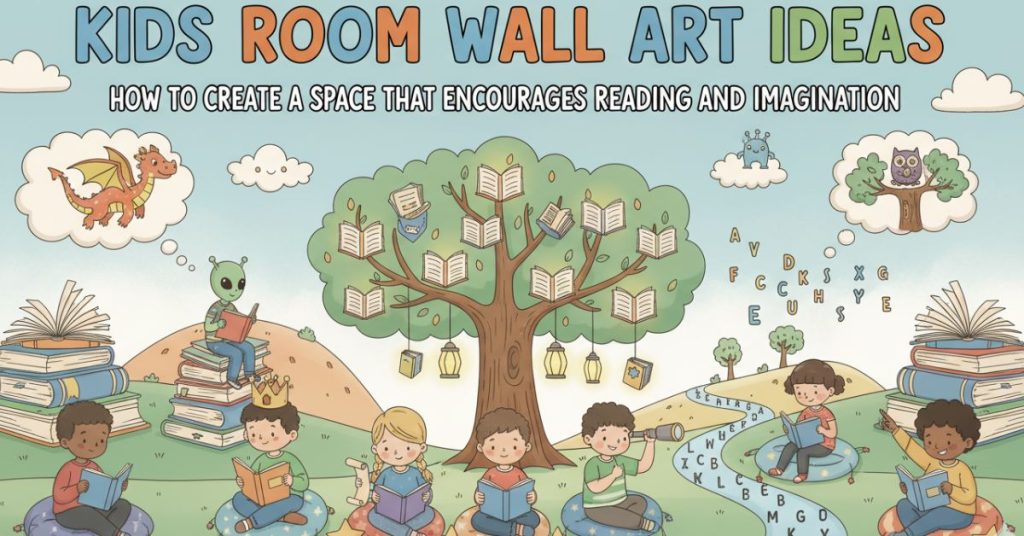
A child’s room is more than just a place to sleep. It is where stories begin, ideas grow, and imagination slowly takes shape. The way you design this space can influence how your child feels, learns, and explores the world around them. Thoughtful kids’ room wall art ideas can turn an ordinary room into a space that naturally invites curiosity and encourages reading.
When children are surrounded by visuals that inspire them, they are more likely to engage with books and creative activities. A well-designed room does not need to be expensive or complicated. Small changes, especially on the walls, can make a meaningful difference in how children connect with their environment and develop lifelong habits.
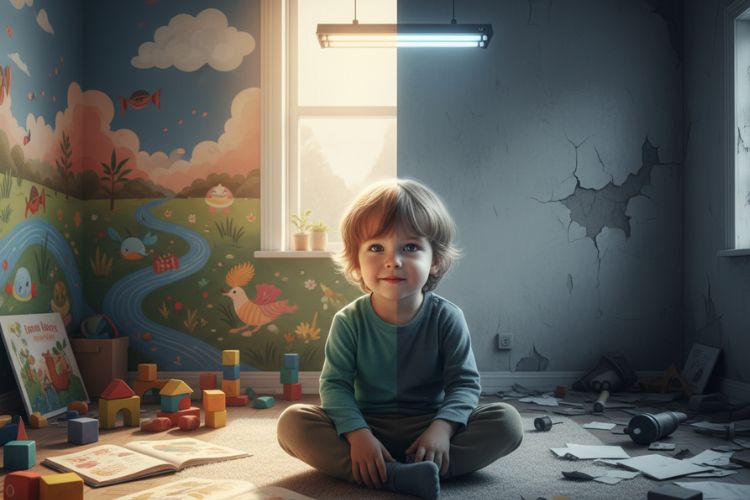
Children are strongly affected by what surrounds them each day. Colors, patterns, and visuals can influence how they feel, focus, and imagine. A space that feels peaceful yet visually interesting can help children stay engaged and feel more comfortable while reading or exploring new ideas.
Wall decor may seem simple, but it plays an important role in shaping this environment. It can introduce new thoughts, spark curiosity, and inspire storytelling. Carefully selected wall art for kids can support creativity while making the room feel warm, inviting, and uniquely their own.
Wall art is often overlooked, but it can shape how a child interacts with their surroundings. When walls are filled with meaningful visuals, they become part of the learning experience. Children start noticing details, asking questions, and connecting what they see with what they read.
This is especially helpful when you are trying to decorate a kid’s room in a way that supports both relaxation and learning. The right visuals can create a balance between comfort and curiosity, making the room feel like a place where ideas can grow naturally.
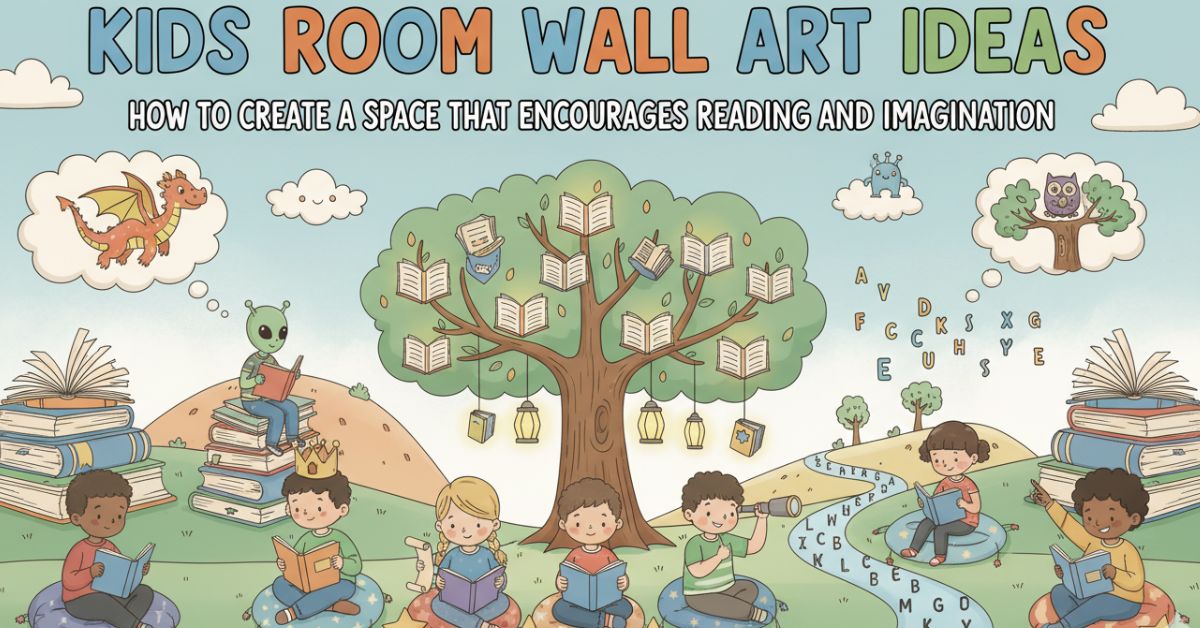
Not all artwork serves the same purpose. If your goal is to build reading habits, it helps to choose pieces that connect with stories, language, and imagination. Illustrations inspired by books, animals, or fantasy themes can make children more interested in storytelling.
You can also include simple word-based designs or alphabets that gently introduce language. These elements do not need to feel like lessons. Instead, they should blend naturally into the room. Well-chosen wall art for kids and creative artwork for kids can create an environment where books feel like a natural part of everyday life.
Creating a reading-friendly space does not require a full redesign. A few thoughtful choices can turn any corner into a place where children enjoy spending time.
A thoughtfully arranged reading area can influence how a child experiences books. Adding soft cushions, a small seat, and gentle lighting helps create a relaxing and welcoming space. When children feel at ease, they are more likely to sit down with a book and enjoy calm, uninterrupted reading time.
Placing books where children can clearly see and access them encourages independent exploration. Low shelves or display stands make it easier for them to choose what interests them. This simple setup supports confidence and helps build a steady habit of picking up books regularly.
The walls can reflect themes your child enjoys, such as animals, nature, or imaginative scenes. These visuals help extend stories beyond the pages and make the space feel more engaging. It creates a connection between what they read and what they see around them.
A well-designed room should feel calm without being dull. Too many bright or busy elements can feel overwhelming, while softer tones paired with a few playful details create a pleasant balance. This helps children stay focused while still feeling inspired and comfortable.
The most effective designs are those that feel relatable and open-ended. Nature themes, animals, and simple illustrations often work well because they allow children to create their own stories. Fantasy-inspired visuals can also encourage imaginative thinking and curiosity.
Educational pieces can be included in a subtle way. For example, watercolor art for kids with soft visuals and gentle colors can add beauty while still supporting creativity. Choosing story-inspired visuals can make the room feel more engaging, helping children connect ideas with imagination in a natural and enjoyable way.
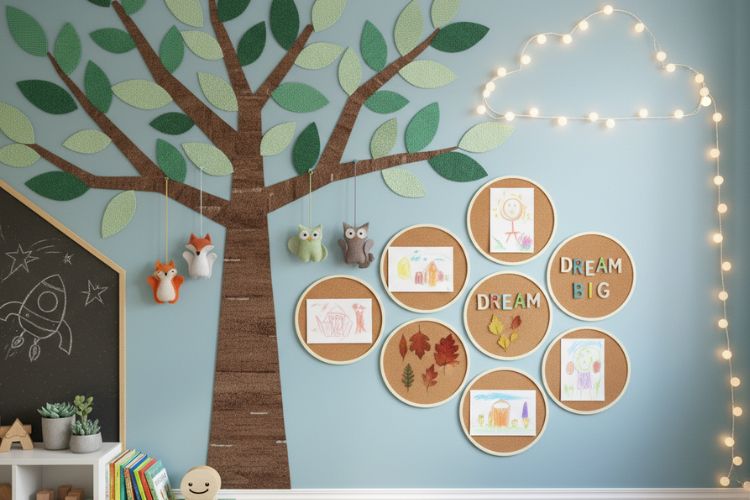
There are many ways to bring creativity into a child’s room without making it feel crowded. You can choose from themes like animals, space, or fairy tales to create a sense of wonder. Rotating artwork based on your child’s interests can also keep the space fresh and exciting.
Using kids’ room wall art ideas, such as gallery walls, framed illustrations, or removable decals, can make decorating simple and flexible. These ideas allow you to update the room easily as your child grows and their interests change.
Color plays an important role in how a space feels. Soft and neutral tones create a calming effect, which is ideal for reading areas. At the same time, small pops of color can add energy and keep the room visually interesting.
The layout also matters. Keeping walls organized and avoiding clutter helps children focus better. Thoughtful placement of kids’ room wall art ideas ensures that the room feels balanced rather than overwhelming, making it easier for children to relax and concentrate.
Children feel more connected to a space when they are involved in creating it. You can display their drawings, crafts, or favorite pieces on the walls. This not only boosts their confidence but also makes the room feel truly theirs.
Allowing children to choose certain elements can also make a big difference. When they have a say in how their room looks, they are more likely to enjoy spending time there. These small choices help create a sense of ownership and pride.
A well-designed room should be both beautiful and practical. Wall-mounted shelves can display books while saving space. Chalkboards or writable surfaces can encourage creativity and daily interaction.
Combining decor with function is one of the smartest kids’ room wall art ideas because it adds value without creating clutter. This approach keeps the room organized while still making it visually appealing and engaging.
Refreshing your child’s room can be simple and creative without spending much. You can try handmade crafts, printable artwork, or low-cost wall stickers to bring new life to the space. Even changing the placement of existing decor can make the room feel different and more engaging.
If you want to decorate a kid’s room in a smart and affordable way, focus on using what you already have. Swapping prints, rotating pieces, or adding small new touches can create a fresh look without the need for a complete makeover.
A child’s room should grow and change along with them. Instead of keeping everything fixed, design the space so it can be updated easily over time. Swapping decor, trying new themes, or simply rearranging items can give the room a fresh feel without much effort.
It also helps to include your child in small decisions, like picking colors or choosing new pieces. This makes the space feel more personal and meaningful. As their interests develop, these small updates keep the room engaging and aligned with their creativity and changing preferences.
A child’s room should feel like a place where ideas can grow, and curiosity feels natural. It is not about perfect design but about creating an environment that feels comfortable, inspiring, and full of life. With thoughtful touches and simple kids’ room wall art ideas, even small changes can make a big impact.
Pay attention to what your child enjoys, introduce new elements gradually, and allow the space to evolve over time. In the end, it becomes more than just a room. It becomes a place where imagination expands, creativity flows, and learning happens effortlessly every day.
What type of wall art works best for a child’s room?
Go for visuals that feel playful and easy to connect with. Themes like animals, nature, or simple story scenes work well because children understand them quickly. These kinds of designs gently spark creativity while keeping the room peaceful and not too busy.
How can wall decor encourage children to read more?
When the room includes story-like visuals or familiar characters, it naturally builds interest in books. Children start linking their surroundings with stories, which makes reading feel enjoyable and part of their daily routine.
Should I go for bold colors or softer shades?
Using a blend is usually the best approach. Lighter shades help create a relaxed reading area, while a few brighter touches bring life and excitement. Keeping things balanced makes the space feel comfortable and visually pleasing.
When is a good time to refresh a child’s room decor?
There is no set schedule for updates. Making small changes from time to time, like swapping artwork or adding something new, can keep the space feeling fresh and aligned with your child’s growing interests.