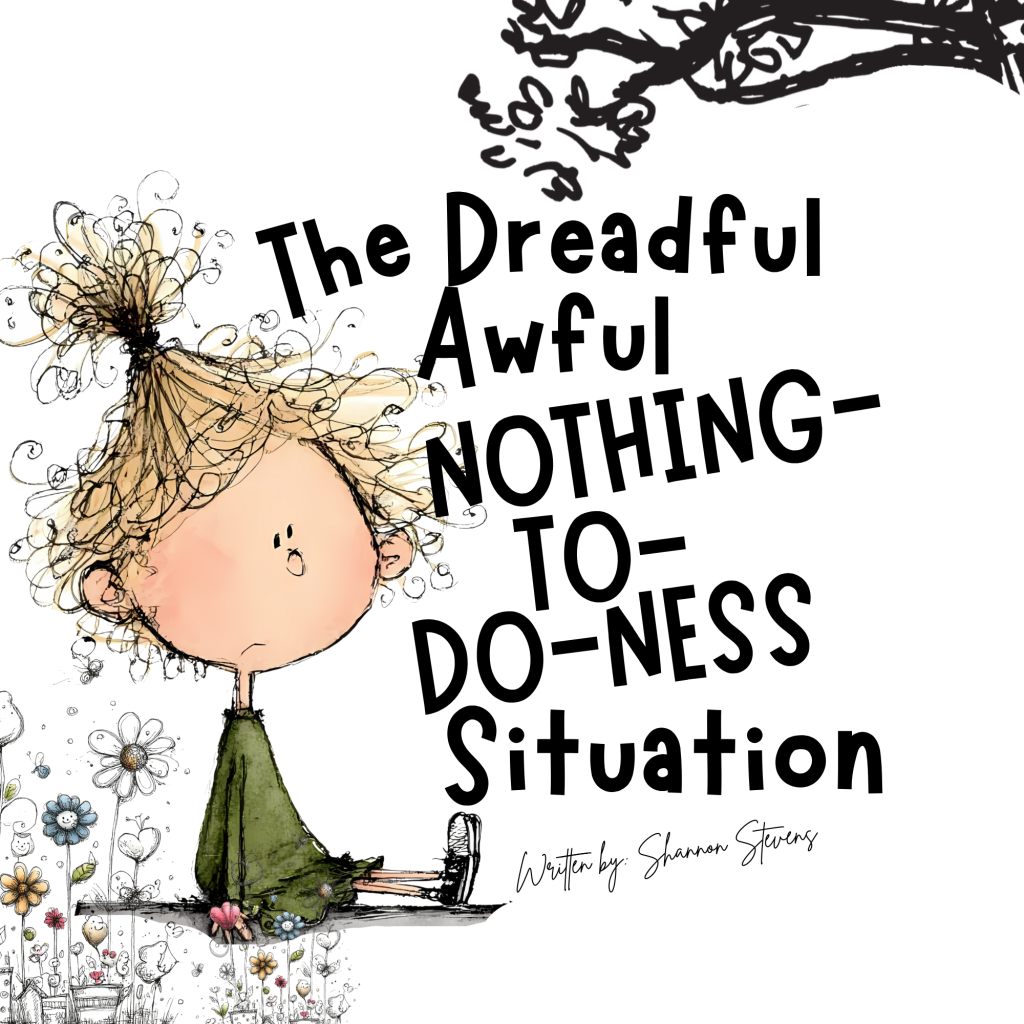
The Dreadful Awful Nothing-to-do-ness Situation is a playful poem about a common problem children experience. A warted toad and an inner voice help a child her discover that imagination can turn “nothing-to-do-ness” into a magical adventure of cherished memories. The story reminds us that boredom can be a doorway to creativity and joy. This story is, in part, a memoir to the author’s first grandchild. A testament to the fun they had when she was young and a joyful reminder of the beauty of imagination!

Among our growing collection of children’s books, one story takes center stage: Rooster’s Ruse.
Rooster rules the barn with a loud beak and a need for control. When Mouse arrives after losing his field to the farmer’s plow, feathers get ruffled. Rooster quickly concocts a lie to drive the immigrant mouse away, but the barnyard isn’t fooled for long. Calmer heads prevail, and together the animals uncover the truth.
This tale is more than a barnyard drama. It is a gentle reminder to children that fairness matters, that community is stronger when everyone is valued, and that even the smallest creature has a voice worth hearing.
Rooster’s Glasses is a poetic tale of animal antics that is set off when Rooster stumbles upon Farmer’s missing glasses. The chain reaction of clever schemes plays out with a cast of unforgettable farmyard personalities. From snoring pigs to scheming mice, every creature is swept up in the caper. This story delivers humor, suspense, and a gentle nudge toward doing what’s right.


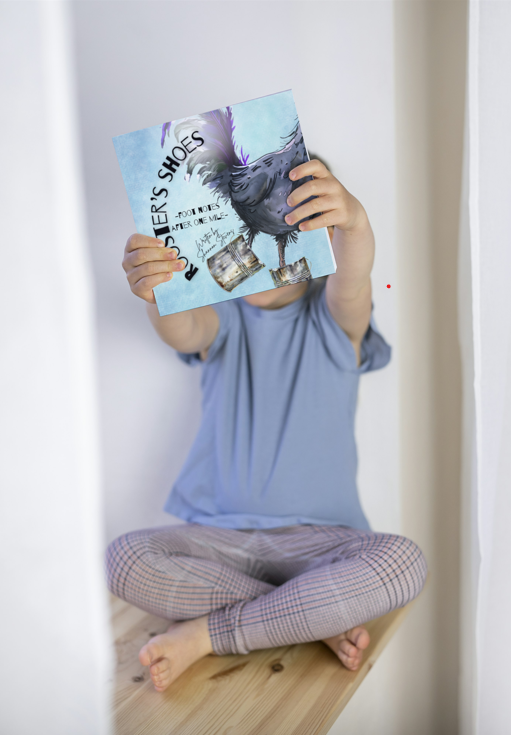
When Ma’am returns from town flaunting dazzling new shoes and Horse sports shiny horseshoes fresh from a circus triumph, Rooster’s envy hatches a wild plan. Rallying the hens, Rooster leads a feathered expedition through Farmer’s trash pile, scavenging for the perfect pair of shoes. What follows is a parade of mismatched footwear – rusty cans, baby booties, blown-out flip flops, and wing-tips – each more ridiculous than the last. The barnyard erupts in laughter as the chickens attempt to roost in their ill-fitting finds, and Rooster learns that walking a mile in someone else’s shoes is no easy feat.
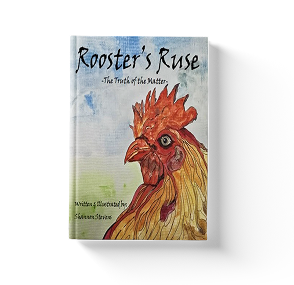
Featured Book: Rooster’s Ruse
Among our growing collection of children’s books, one story takes center stage: Rooster’s Ruse.
Rooster rules the barn with a loud beak and a need for control. When Mouse arrives after losing his field to the farmer’s plow, feathers get ruffled. Rooster quickly concocts a lie to drive the immigrant mouse away, but the barnyard isn’t fooled for long. Calmer heads prevail, and together the animals uncover the truth.
This tale is more than a barnyard drama. It is a gentle reminder to children that fairness matters, that community is stronger when everyone is valued, and that even the smallest creature has a voice worth hearing.
Many children’s books can entertain the reader; Rooster’s Ruse can also result in thinking and conversations, not to mention the wonderful aspects of the playful language, artistic illustrations, and vivid images, which can be an entry point into connecting young readers and parents together and great conversations about honesty, kindness, and why it is important to include others.
As one of Shannon Stevens first books, this story represents her voice as both a grandmother and creator of characters, and the story is almost as special as a great story about animals can be. The joy of the text is not stationary; it is valued as one of the last books we can read together. Not only is the story illustrative, but there are pictures and illustrations of feelings we live and share on each page.
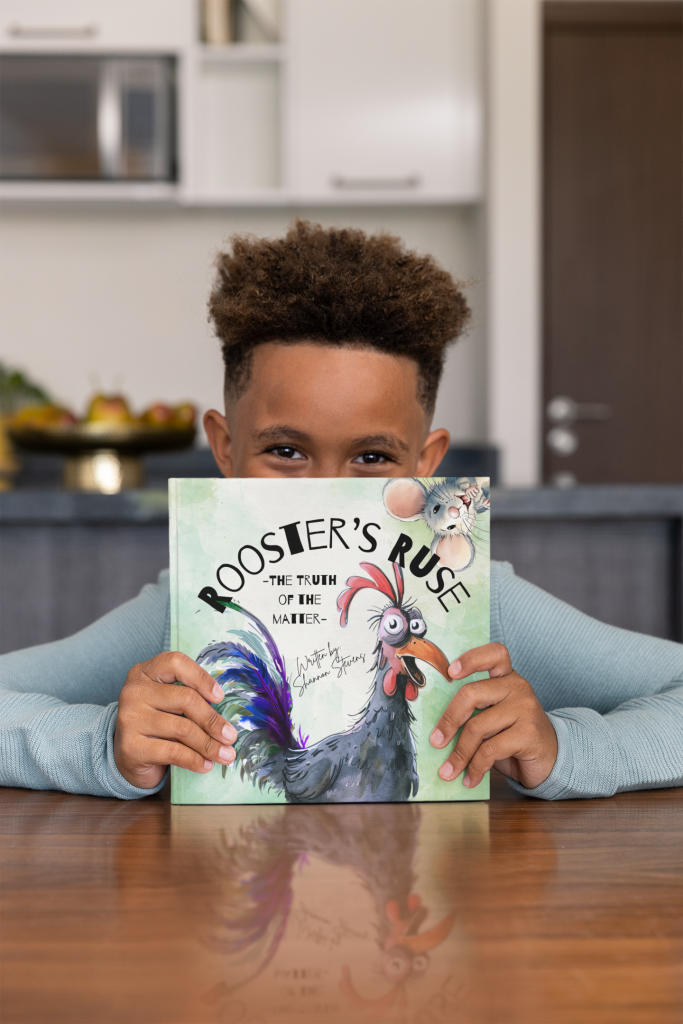
Many children’s books can entertain the reader; Rooster’s Ruse can also result in thinking and conversations, not to mention the wonderful aspects of the playful language, artistic illustrations, and vivid images, which can be an entry point into connecting young readers and parents together and great conversations about honesty, kindness, and why it is important to include others.
As one of Shannon Stevens first books, this story represents her voice as both a grandmother and creator of characters, and the story is almost as special as a great story about animals can be. The joy of the text is not stationary; it is valued as one of the last books we can read together. Not only is the story illustrative, but there are pictures and illustrations of feelings we live and share on each page.